
Digital Crown / Framework 03
From Parasocial Engagement to Commercial Intent
ATTENTION IS VALUABLE. RELEVANCE GIVES IT DIRECTION.
Start a project01 / The idea
Purpose before activity.
A commercial content framework that examines the relationship between audience attention, creator connection, brand relevance and meaningful business action.
Digital platforms make it possible to build audiences, attract views and create strong feelings of familiarity with creators.
But an audience's relationship with a creator is not automatically a relationship with every business that creator promotes.
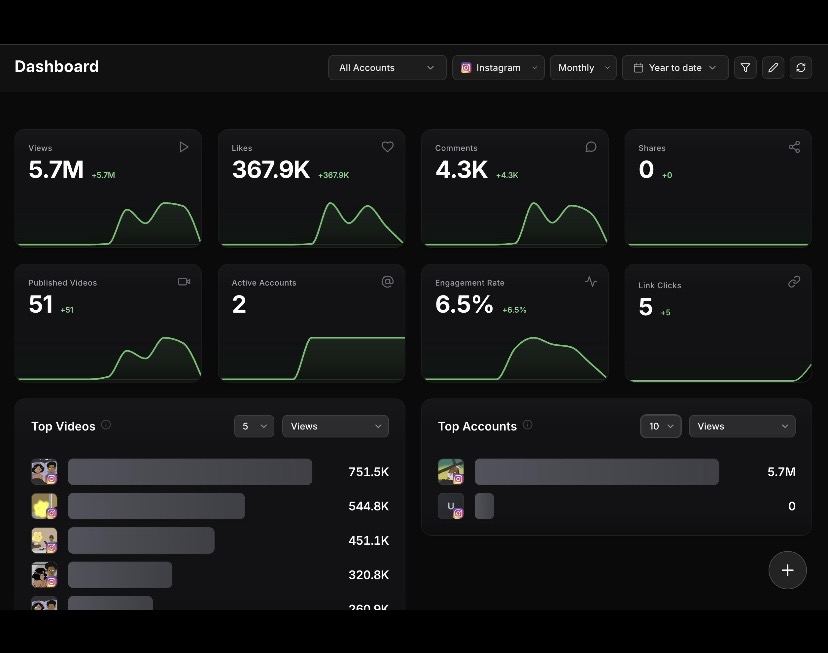
The strategic question is not simply whether people watch, like or follow. It is whether the content reaches relevant people, communicates a meaningful reason to consider the business and supports a clear next action.
Why it matters
Audience familiarity with a creator and relevance to a business are not the same thing. Looking at the whole journey helps distinguish attention from meaningful consideration without dismissing the value of creators or awareness.
02 / The framework
From attention to action.
A useful model, not a universal or strictly linear psychological process.
The central problem
A creator may have strong engagement while the promoted business receives few relevant enquiries or purchases.
Possible reasons include:
- The creator's audience does not match the business's target market.
- The content focuses on the creator rather than the business's actual value.
- The offer is unclear or irrelevant.
- The audience has insufficient information to make a decision.
- The location, price or service does not suit the viewer.
- The next action is unclear or difficult.
- The campaign measures views without evaluating business-relevant outcomes.
- The purchase journey has friction that the content cannot solve alone.
These are possible explanations, not universal causes. Diagnose the specific situation before drawing conclusions.
The pathway from attention to action
Stage 01 — ATTENTION
Content earns an opportunity to be seen.
Attention can come from an interesting opening, compelling visuals, storytelling, a relevant trend or a creator's existing audience.
Useful indicators may include reach, views, watch time and the proportion of viewers who continue watching.
Attention alone does not establish that the audience is relevant or likely to buy.
Stage 02 — RELEVANCE
The viewer recognises why the business, offer or experience might matter to them.
Relevance may depend on location, interests, needs, budget, timing and the problem the business solves.
For a local restaurant, a creator's national audience may generate views, but nearby people with an interest in the actual dining experience may be more relevant to local bookings.
Useful indicators may include relevant audience characteristics where available, location-related interest, profile visits and qualified traffic.
Stage 03 — CREDIBILITY
The content provides credible reasons to consider the business.
Credibility can be supported by:
- Authentic visits and experiences.
- Accurate descriptions.
- Real demonstrations.
- Genuine customer feedback.
- Clear product and service information.
- Transparent commercial relationships.
- Consistency between the content and the real experience.
A sponsored feature should not be presented as an independent, unpaid recommendation. Do not fabricate experiences or testimonials.
Stage 04 — INTENT
The viewer shows a meaningful sign of considering the business.
Possible signals include visiting a website, checking a menu, asking a relevant question, viewing booking details or requesting more information.
Intent signals vary in strength. A click does not always mean someone is ready to purchase.
Stage 05 — ACTION
The interested person takes the relevant next step.
Depending on the business, that may be an enquiry, reservation, purchase, visit, consultation or another defined conversion.
Clear calls to action, accurate offers and an accessible customer journey help reduce friction.
Stage 06 — MEASUREMENT
Evaluate whether the activity supported the intended objective.
Possible indicators include:
- Qualified enquiries.
- Booking clicks and completed bookings.
- Trackable offer responses.
- Website conversion activity.
- Leads and sales where measurement is available.
- Customer feedback.
- Relevant changes in business outcomes.
Not every purchase can be attributed reliably to a single post or creator. Distinguish correlation from causation and explain measurement limitations.
How Digital Crown applies this framework
Digital Crown uses this way of thinking to evaluate content beyond surface-level engagement.
When appropriate, we consider the intended audience, the business's value proposition, the authenticity of the content, the next action and the measures available to evaluate the campaign.
This approach is especially relevant to creator partnerships, business features, restaurant and venue content, product storytelling and campaigns where the commercial objective needs to be clear.
It does not mean every piece of content must generate an immediate sale. Awareness, brand recognition, community and long-term consideration can also be legitimate objectives when they are deliberately chosen.
What this means for your business
Your content can have a deliberately chosen objective: discovery, credibility, community, consideration or commercial action. Evaluation reflects that purpose and the measurement available, not an automatic promise of sales.
These frameworks improve the quality of decisions; they do not guarantee a particular result. Available resources, the offer, customer experience and measurement limitations all matter.
One shared philosophy
Create with intention.
Every visual has a purpose.
Every story has a message.
Every campaign has an objective.
Creative work should be grounded in the business, informed by the audience and guided by the intended outcome. The camera angle, opening sequence, sound, voice-over, editing rhythm and call to action should contribute to that intention.
Trend-led content
Use relevant trends and short-form formats to earn attention without losing the brand's message or audience relevance.
Storytelling and authentic experience
Use real footage, accurate information, voice-over and business context to help audiences understand the experience.
Repeatable brand content
Build distinctive formats around the real people, products, services and stories that make the business what it is.
Discover → Connect → Experience → Convert → Amplify and learn
The journey can be nonlinear. Different content serves different purposes: discovery, credibility, understanding, consideration, community or direct action.
Measure what matters to the objective
Attention: reach, views and watch time. Connection: meaningful comments, shares, saves and repeat engagement. Intent: qualified enquiries, menu visits and booking clicks. Business impact: completed bookings, purchases, visits or retention where measurable.
No single metric tells the entire story. Views should not automatically be treated as sales or commercial success.
Own your digital dominance.